
isobelolive83
About isobelolive83
Realtor Is Essential For Your Success. Read This To Find Out Why
 Every few years the housing market rewrites the rules, and buyers who learned the last set of rules show up unprepared for the new ones. Right now, the rules have changed more than they have at any point in a generation. The buyers who understand that are finding deals. The ones who do not are making expensive mistakes.
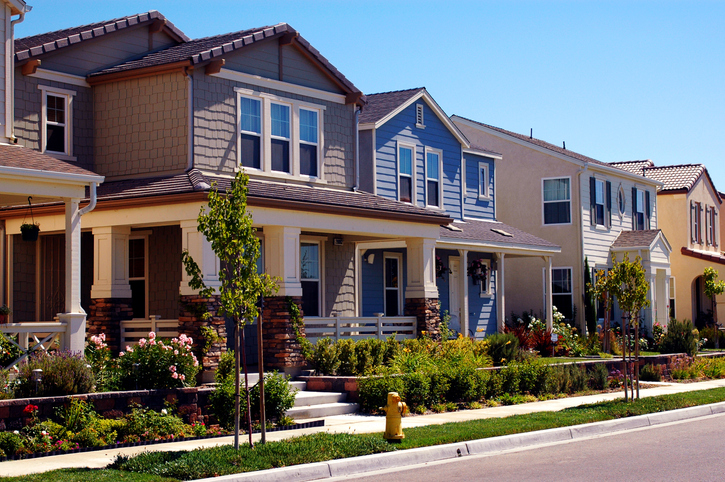 In markets where builders have added meaningful supply in recent years, prices have pulled back. Phoenix, Austin, and parts of Florida saw corrections of ten to fifteen percent from peak levels in some submarkets. But those are the exceptions. Most markets are not working from excess; they are working from scarcity.
Here is what that creates for someone who has done the work before they start looking: a better chance of getting the house you want without losing a bidding war. The panic buyers are gone. The buyers who showed up with letters waiving inspections and offering a hundred thousand over asking have mostly sat back down. What remains is a more functional market, even if it is not a cheap one.

The appraisal is the lender’s check, not yours. A low appraisal means the buyer has to make up the gap in cash, renegotiate, or cancel. Ask your agent how common appraisal gaps have been in your target price range and neighborhood.
Budget between two and five percent depending on your loan type and the state you are buying in. First-time buyers often do not see the full closing cost picture until the Closing Disclosure arrives three days before settlement. Ask your lender for a Loan Estimate with a realistic purchase price so the numbers reflect what you are actually going to face.
The timing question, whether to buy now or wait for rates to come down, is the one that trips up more buyers than any other single factor. No one consistently times the real estate market. The more useful question is not whether now is the right time in the abstract; it is whether you are buying because the numbers make sense for you, not because you feel social pressure to own.
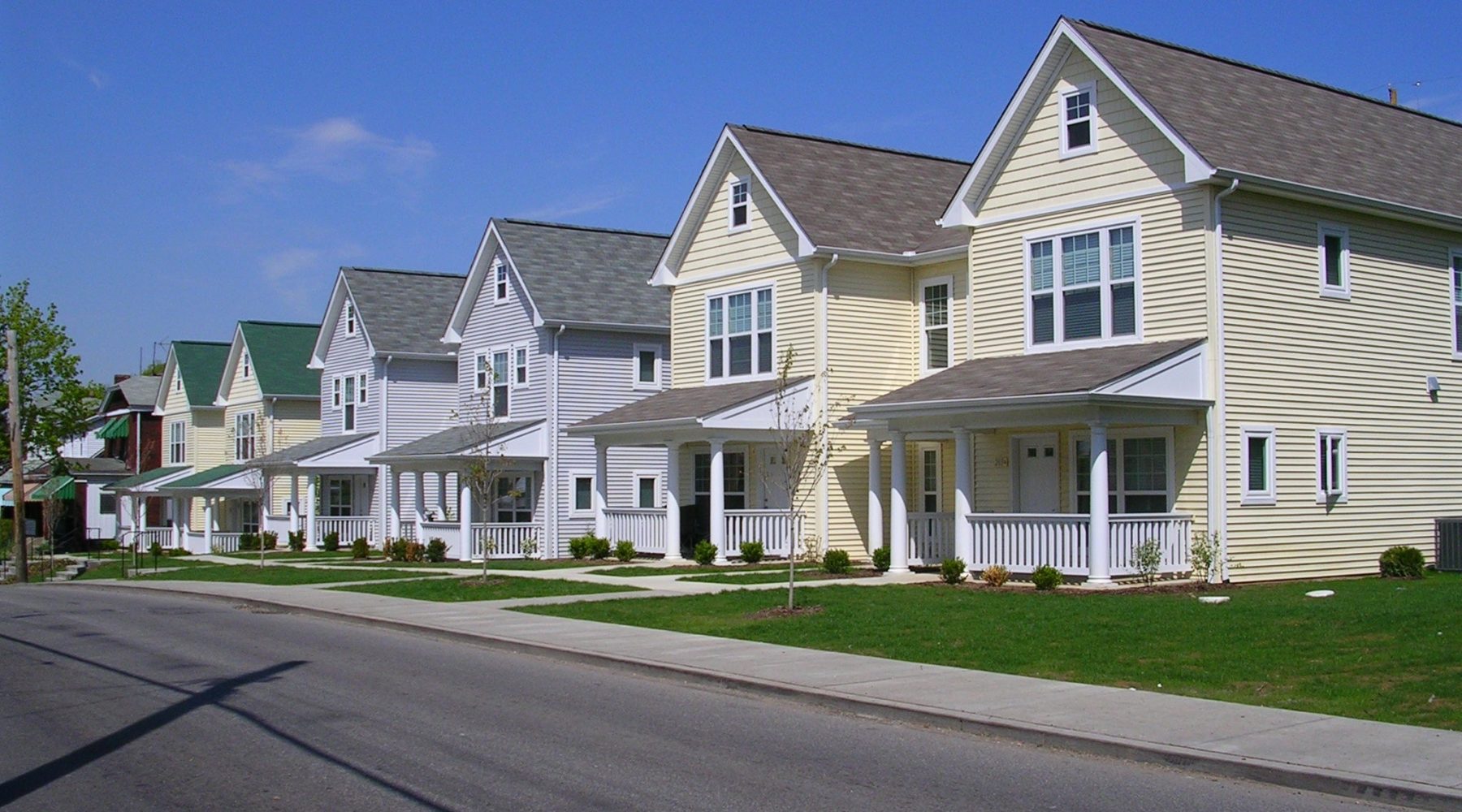 Real estate rewards preparation more than it rewards timing. Waiting for a better market is a reasonable position only if your personal situation supports it, otherwise you are just paying rent while prices hold. Start by browsing current homes for sale and market resources to build a realistic picture of your options.
No listing found.