
libbybolliger3
About libbybolliger3
Free Recommendation On Pool
 The real estate market does not move in one direction nationwide. It never has. What is happening in Austin is not what is happening in Cleveland. What is true for a three-bedroom in the suburbs of Dallas has almost nothing to do with a two-bedroom in San Francisco. Before you do anything else, narrow your focus to the specific market you are shopping in and stop reading national headlines as if they apply to you personally.
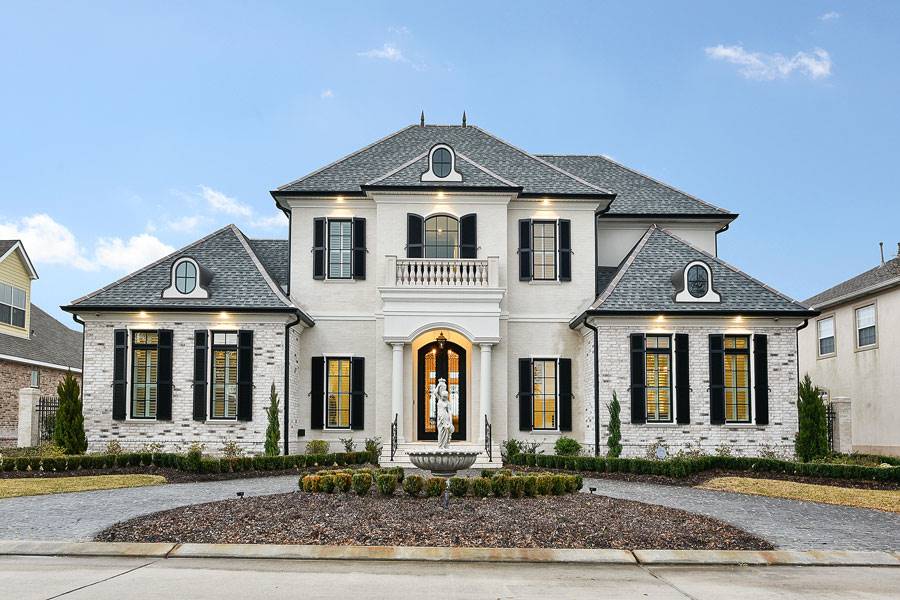 Home prices at the national level have stayed stubbornly high even as financing costs doubled in under two years. The reason is supply. The locked-in effect has kept available inventory at historically low levels in most markets, which means the correction that many analysts were expecting simply did not materialize the way the data suggested it should.
Here is what that creates for someone who is financially prepared and ready to move: a better chance of getting the house you want without losing a bidding war. The panic buyers are gone. The buyers who showed up with letters waiving inspections and offering a hundred thousand over asking have mostly sat back down. What remains is a more functional market, even if it is not a cheap one.
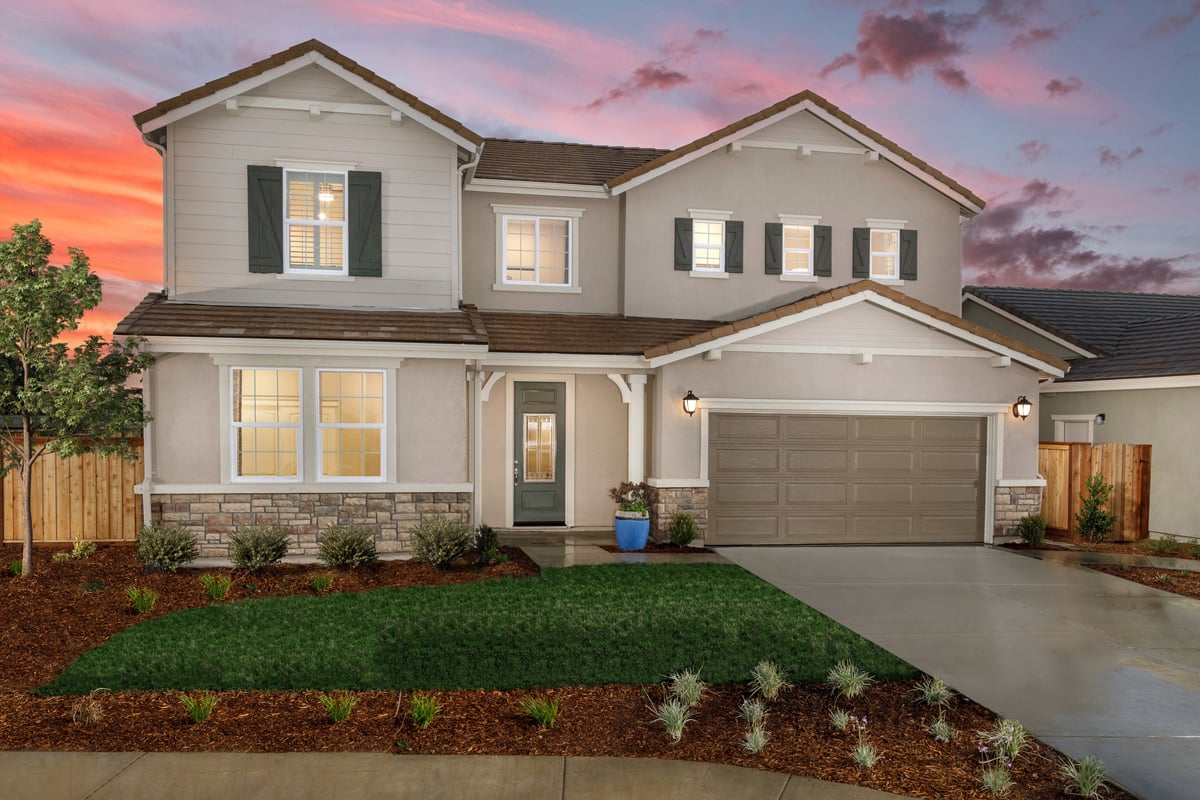 Shop at least three lenders before you commit to one. A 0.25 percent gap between two lenders’ quotes adds up to around twenty thousand dollars over a thirty-year loan on a four hundred thousand dollar mortgage. Lender fees vary too. Request itemized fee schedules so you can compare apples to apples.
 The appraisal is the lender’s check, not yours. When the appraisal comes in below contract, the deal does not automatically die, but it does require a decision. Ask your agent whether recent comparable sales support the price you are offering.
 Budget between two and five percent depending on your loan type and the state you are buying in. First-time buyers often do not see the full closing cost picture until the Closing Disclosure arrives three days before settlement. Ask your lender for a Loan Estimate before you make any offers, so you can plan your cash position accurately.
 The timing question, whether to buy now or wait for prices to pull back, is the one that trips up more buyers than any other single factor. No one consistently times the real estate market. The more useful question is not whether now is the right time in the abstract; it is whether you are buying because the numbers make sense for you, not because you feel social pressure to own.
Real estate rewards preparation more than it rewards timing. Waiting for a better market is a reasonable position only if your personal situation supports it, otherwise you are just paying rent while prices hold. Check up-to-date property listings and see whether what is available matches what you have been planning for.
No listing found.